
The Nature of Luck in Gambling
Luck is often perceived as an enigmatic force that significantly influences outcomes in various life scenarios, particularly in gambling at a casino. It embodies the unpredictable element that can lead players to either triumph or defeat. Individuals may enter a casino equipped with strategies and a solid understanding of the games they wish to play, yet the factor of luck remains inescapable. Each roll of the dice, spin of the wheel, or flip of a card holds the potential for surprising results, making luck a pivotal component of the gambling experience, especially when playing at a casino online where the stakes can be even higher.
In many casino games, especially those that hinge on chance, luck plays a predominant role. Take roulette or slot machines, for instance; players wield no control over the outcome, which is dictated purely by random chance. While some might contend that skills and strategies can enhance one’s odds, the reality is that luck ultimately governs the final result. This intertwining of skill and luck cultivates a unique dynamic, drawing in millions of players who seek fortune in the unpredictable realm of casinos.
The perception of luck can vary dramatically among individuals. Some gamblers adopt superstitious beliefs, such as wearing lucky charms or engaging in specific rituals before placing a bet. These beliefs stem from the human desire to exert control over elements that are inherently uncontrollable. Although luck operates randomly, the psychological implications of believing in luck can significantly affect how players approach their games, potentially altering their experiences and decision-making processes within the casino environment.
The Role of Strategy in Casino Games
While luck undeniably plays a crucial role in casino games, implementing a strategic approach can enhance a player’s overall experience and potentially improve outcomes. Different games necessitate varying degrees of skill and strategy to maximize potential winnings. In games like blackjack or poker, players must blend luck with skill to make informed decisions. Familiarizing oneself with the rules, probabilities, and strategies can bolster one’s chances of success, even though the element of luck remains a constant factor. This intricate interplay between luck and strategy is what captivates many gambling enthusiasts.
Using strategy in gambling does not seek to eliminate the role of luck but rather to manage it more effectively. For instance, an adept poker player can read opponents, calculate odds, and bluff convincingly, enabling them to navigate the luck factor favorably. Even in games where luck heavily influences outcomes, such as slots, having a solid strategy for managing one’s bankroll can create a more pleasurable gambling experience. Players who set limits and adhere to them are more likely to leave the casino satisfied, irrespective of their luck during the games.
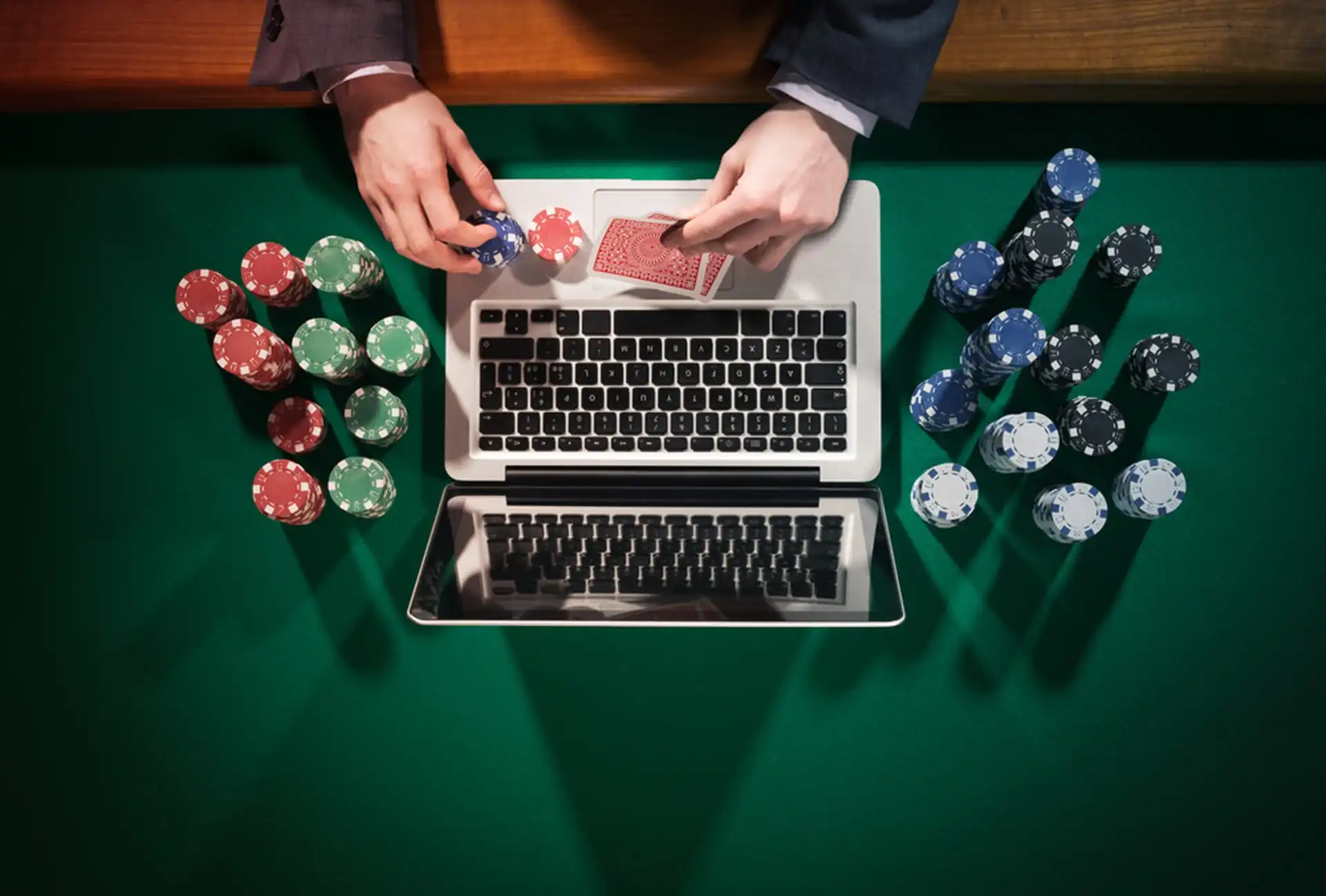
Moreover, understanding the concept of the house edge in casino games is essential for players aiming to use strategy to their advantage. Each game is designed with a built-in advantage for the casino. However, players who are aware of this can make wiser choices regarding which games to engage in. This knowledge empowers players to select games with better odds, allowing for informed betting while recognizing that luck will always be a factor. Thus, merging strategic gameplay with an acceptance of luck can lead to a more balanced and fulfilling casino experience.
The Psychological Impact of Luck on Players
Luck carries significant psychological implications for players in a casino environment. The thrill of winning can evoke exhilaration and a rush of positive emotions, whereas losing can lead to feelings of frustration and disappointment. This emotional rollercoaster is intensified by the unpredictable nature of luck, which can compel players to continue gambling in hopes of turning their luck around. Recognizing this psychological aspect is crucial for promoting responsible gambling behaviors.
Many gamblers cultivate a personal relationship with the concept of luck and its ramifications. Wins may be attributed to skill and strategy, while losses are often explained away by external factors beyond one’s control. This mental framing can influence future decision-making, leading to risky behaviors as players strive to reclaim the exhilarating sensation of a winning streak. Acknowledging the role of luck can help players maintain a healthier mindset, allowing for a more rational approach to casino gaming.
Furthermore, the social dynamics present within casinos can amplify the perception of luck. Players frequently share stories of lucky wins and narrow misses, fostering a sense of community and shared experience. This collective belief in luck can create an exhilarating atmosphere that keeps players engaged. However, it is vital for individuals to differentiate between personal experiences and the inherent randomness of games, ensuring they understand the distinction between luck and skill in their gaming strategies.
The Fine Line Between Luck and Skill
As players engage with casino games, they often navigate a delicate balance between luck and skill. Some games are primarily governed by luck, while others necessitate a considerable degree of skill and strategy. For example, baccarat predominantly relies on chance, while games such as poker allow a player’s expertise to significantly influence the outcome. This complexity makes it essential for gamblers to understand the nature of the games they play and how luck intertwines with skill.
The boundary between luck and skill is not always clearly defined. Many casino games incorporate elements of both, providing players the opportunity to leverage their skills within a framework dictated by chance. Consequently, players must be aware of when they can exert control over the game’s outcome and when they must yield to the whims of luck. This awareness can enrich the gaming experience by aligning expectations with reality, ultimately preventing frustration that can arise from unexpected losses.
In addition to recognizing the balance between luck and skill, players should also consider the role of experience. Seasoned gamblers often possess a deeper understanding of game mechanics, betting patterns, and strategies that can help them manipulate luck to their advantage. This experience fosters a greater appreciation for the games, allowing players to become more adept at reading situations and making informed decisions, all while acknowledging that luck remains an unpredictable factor.
Your Next Casino Experience
As you prepare for your next casino adventure, it is crucial to remember the intricate interplay between luck and strategy. While luck can unexpectedly alter your fate, understanding the dynamics of various games can significantly enhance your overall experience. Approach the casino with a balanced mindset, recognizing that both luck and skill contribute to the outcomes of your gambling endeavors. Select games that align with your personality and skill set, while remaining open to the unpredictable nature of luck.
Engaging in responsible gambling practices is essential for enjoying your time at a casino. Set limits on your gambling activities, and resist allowing the thrill of winning or the frustration of losing to dictate your behavior. Embrace the excitement of exploring different games, and savor the social dynamics that casinos often provide. Remember, the ultimate goal is to have fun, regardless of how luck plays out during your casino experience.
For those interested in deepening their understanding of casino games and strategies, visiting informative websites can be immensely beneficial. These resources offer insights into game mechanics, strategies, and effective bankroll management tips. By equipping yourself with knowledge and comprehending the balance between luck and skill, you can elevate your casino experience and relish the thrills that accompany gambling, all while remaining mindful of the unpredictable nature of luck.
